More Than a Meal: The Meaning Behind “Have You Eaten?” in Korea

If you spend even a short amount of time in Korea, you’ll hear the question “밥 먹었어요?” (Have you eaten?) surprisingly often. At first, it might feel like a literal question about food—but in reality, it carries a much deeper meaning.
In Korean culture, asking “Have you eaten?” is a way of expressing care and concern. Historically, Korea experienced periods of hardship where food scarcity was common. Because of this, being able to eat regularly became closely tied to well-being. Over time, the question evolved into a simple, everyday way of checking in on someone’s overall state.
Today, it functions much like saying “How are you?” in English—but often feels warmer and more personal. Food plays a central role in Korean life, from family gatherings to social bonding, so asking about a meal is really asking: Are you okay? Are you taking care of yourself?
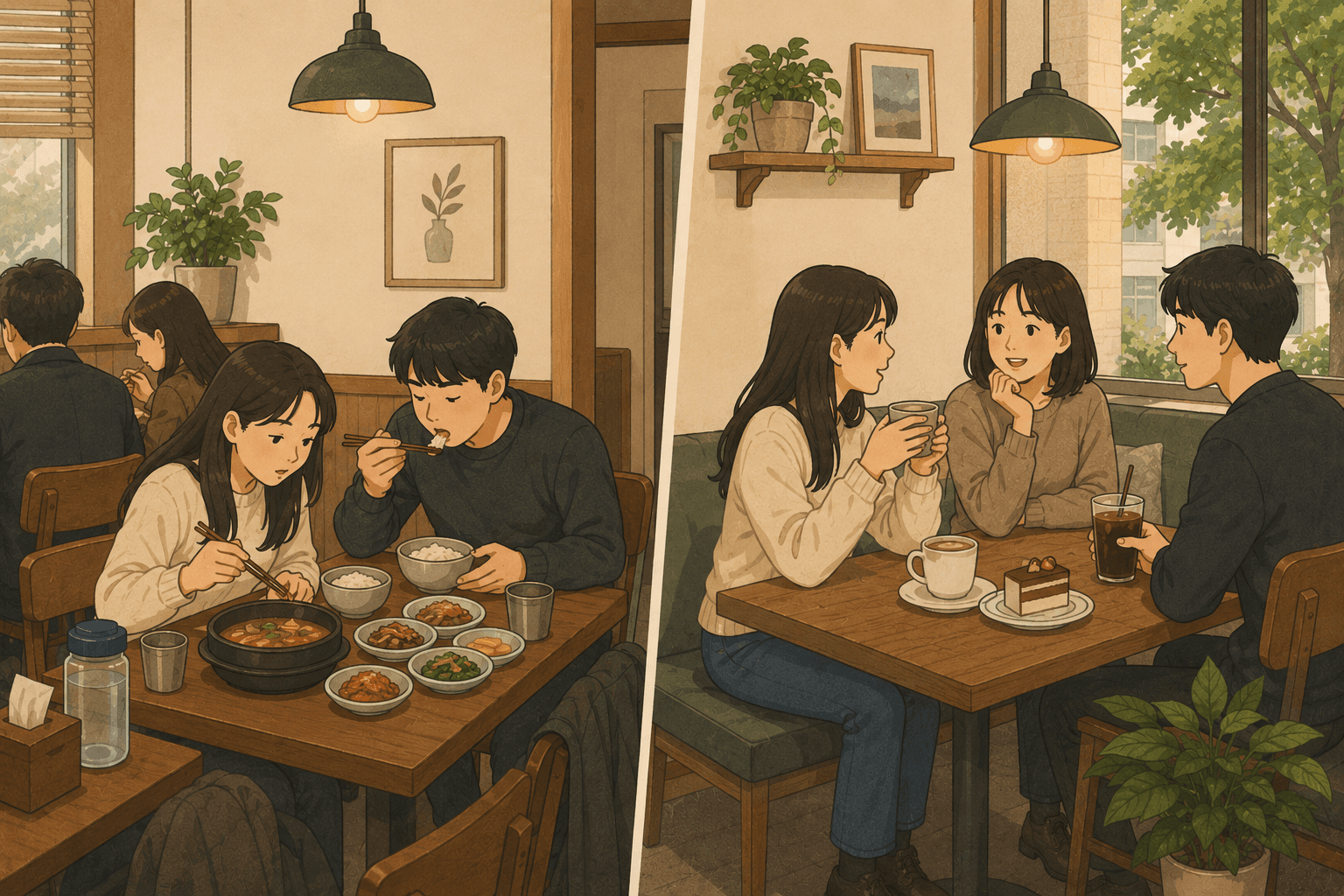
You’ll hear it between friends, coworkers, family members, and even acquaintances. Sometimes it even leads to an invitation to eat together, reinforcing the importance of connection and shared meals in Korean culture.
So next time someone in Korea asks if you’ve eaten, don’t just think about your last meal—recognize it as a small but meaningful gesture of kindness.