Why Some Foreigners Feel Koreans Don’t Respect Personal Space
One of the first cultural differences many foreigners notice in Korea is how different the sense of personal space can feel.
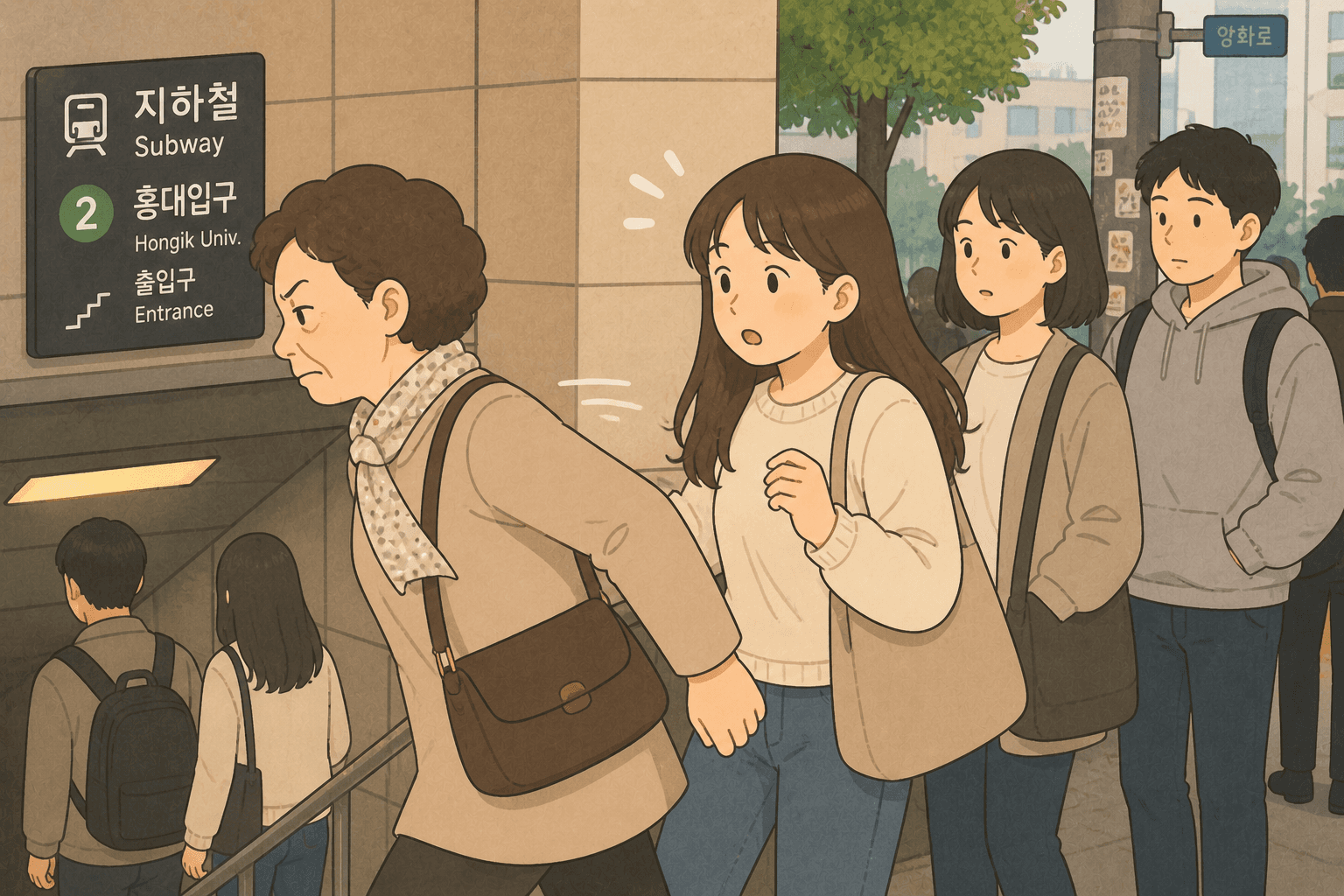
People may stand very close in lines, brush past you without apologizing, squeeze tightly into elevators, or bump into you in crowded areas without much acknowledgment. For visitors from countries where physical distance is strongly respected, this can sometimes feel rude, cold, or overly aggressive.
But in Korea, the situation is usually interpreted very differently.
Part of this comes from simple reality: Korea is extremely dense. Cities like Seoul are built around constant movement, crowded public transportation, packed sidewalks, busy cafés, and small shared spaces. Over time, people adapt to functioning efficiently within close physical proximity.
As a result, the “bubble” of personal space that exists in some Western countries is often naturally smaller in Korea.
This doesn’t necessarily mean Koreans are intentionally disrespectful. In many situations, physical closeness is simply treated as unavoidable and emotionally neutral rather than invasive.
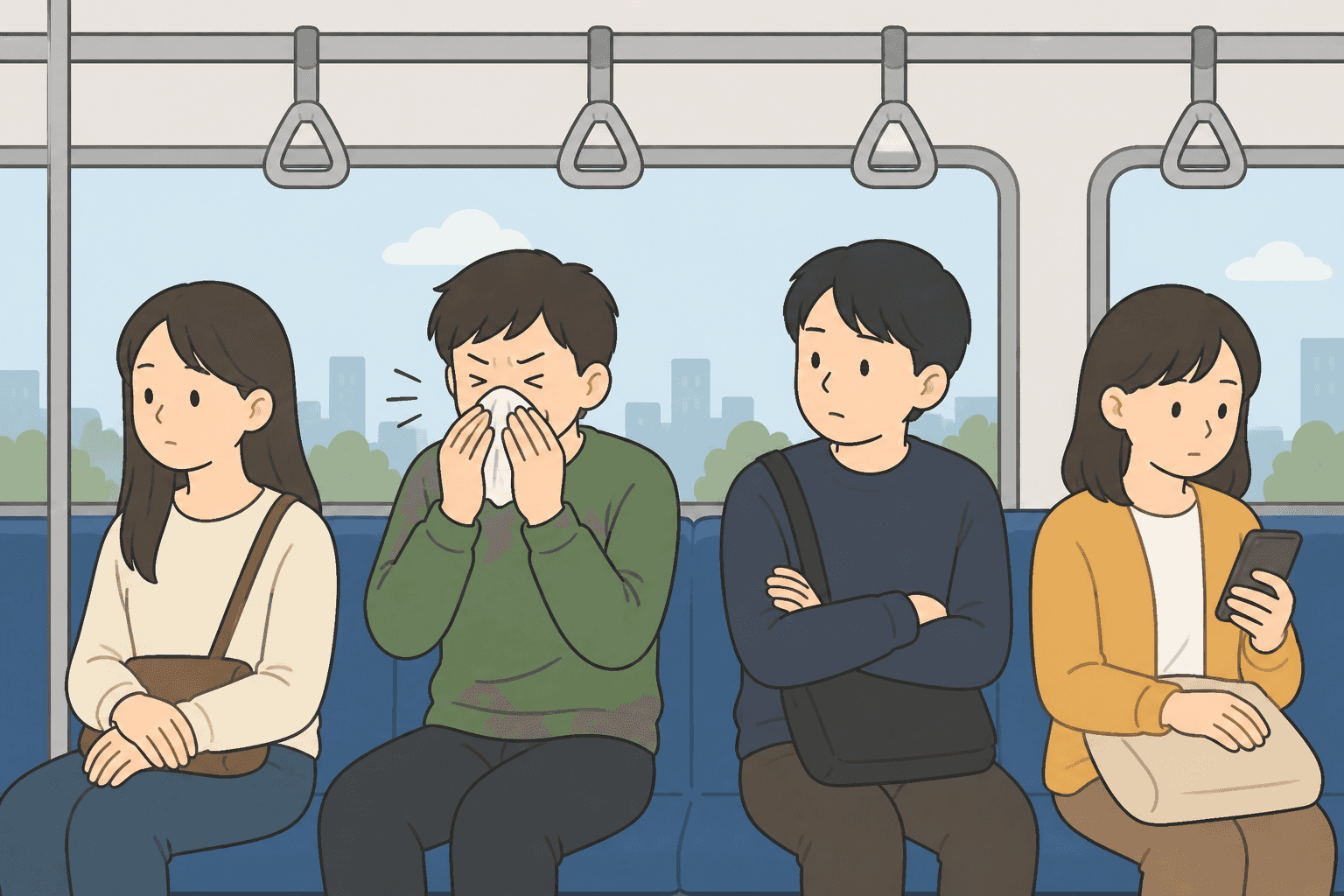
For example, on a crowded subway, someone pressing close to you is usually not interpreted as hostility—it’s just part of navigating limited space with thousands of other people.
You may also notice fewer verbal acknowledgments for small physical interactions. In some countries, people frequently say “sorry,” “excuse me,” or smile after minor contact. In Korea, small bumps or close passing often happen without comment because they may not be considered socially significant enough to require one.
At the same time, Korea expresses respect in many other ways that foreigners may initially overlook:
using polite speech levels, carefully considering hierarchy, helping others practically, sharing food, or showing concern through actions rather than physical distance.
Interestingly, while physical space can feel smaller in Korea, emotional boundaries are sometimes stronger. Koreans may stand close physically while still maintaining emotional reserve with strangers.
That contrast can feel confusing at first:
physically close, but socially distant.
Of course, attitudes are changing, especially among younger generations and in international environments. Awareness of personal boundaries has increased, and many Koreans who travel abroad become more conscious of these cultural differences as well.
Still, if someone stands closer than you expect in Korea, it’s usually not meant personally.
More often, it’s simply part of adapting to life in a very crowded society.