Why Koreans Sometimes Ask Surprisingly Personal Questions
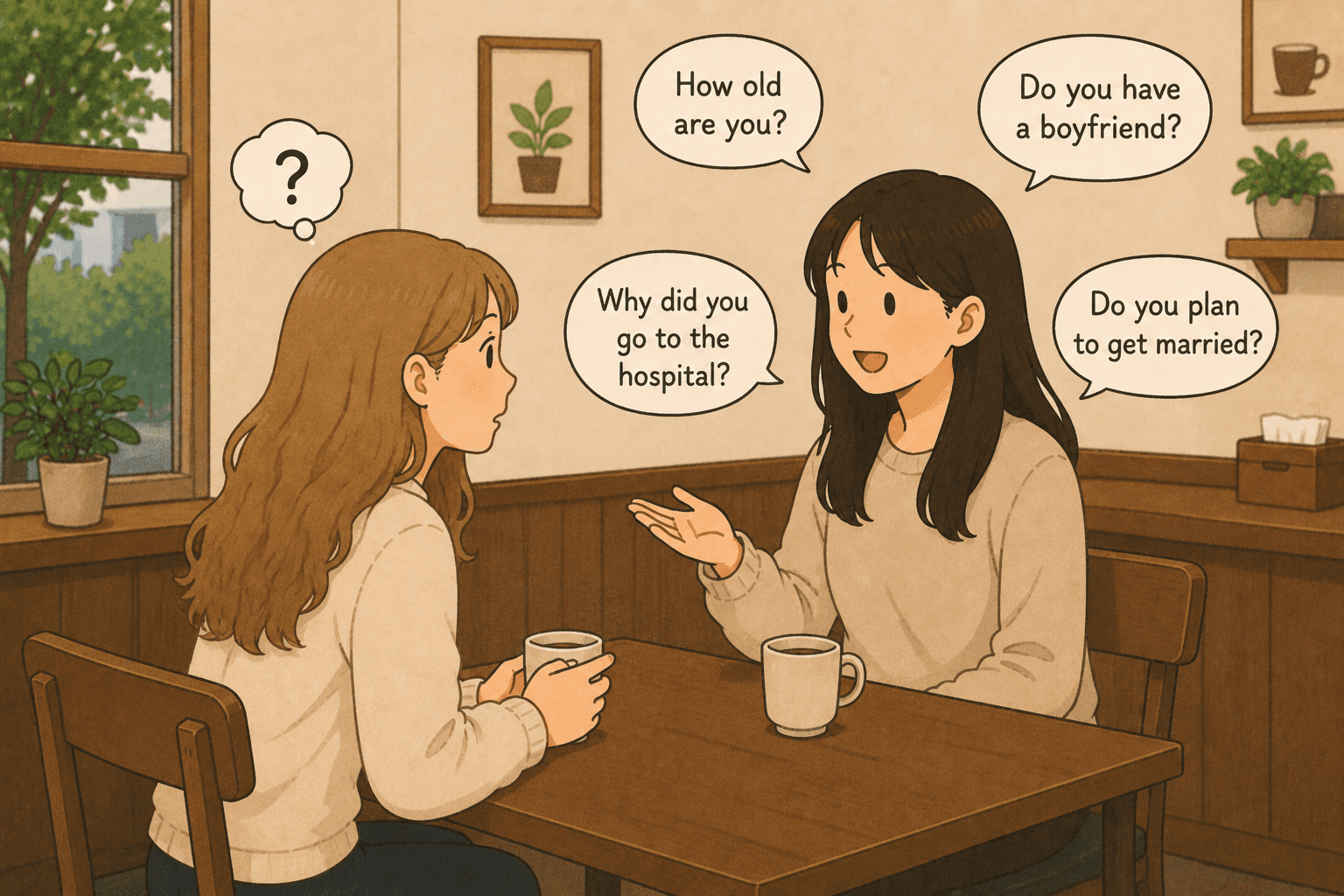
If you spend enough time in Korea, you may eventually find yourself surprised by the kinds of questions people ask you—sometimes very early in a relationship.
Questions about your age, salary, relationship status, weight, family plans, where you live, or even why you visited the hospital can come up far more casually than they might in many Western countries.
For some foreigners, this can feel overly personal or even inappropriate at first. But in many cases, the intention behind these questions is very different from how they may be perceived abroad.
In Korean culture, personal questions are often connected to building social understanding and showing concern rather than protecting strict personal boundaries.
For example, age matters heavily in Korean language and social structure because it affects speech levels, titles, and social hierarchy. Asking your age is often less about judging you and more about figuring out how to communicate comfortably and respectfully.
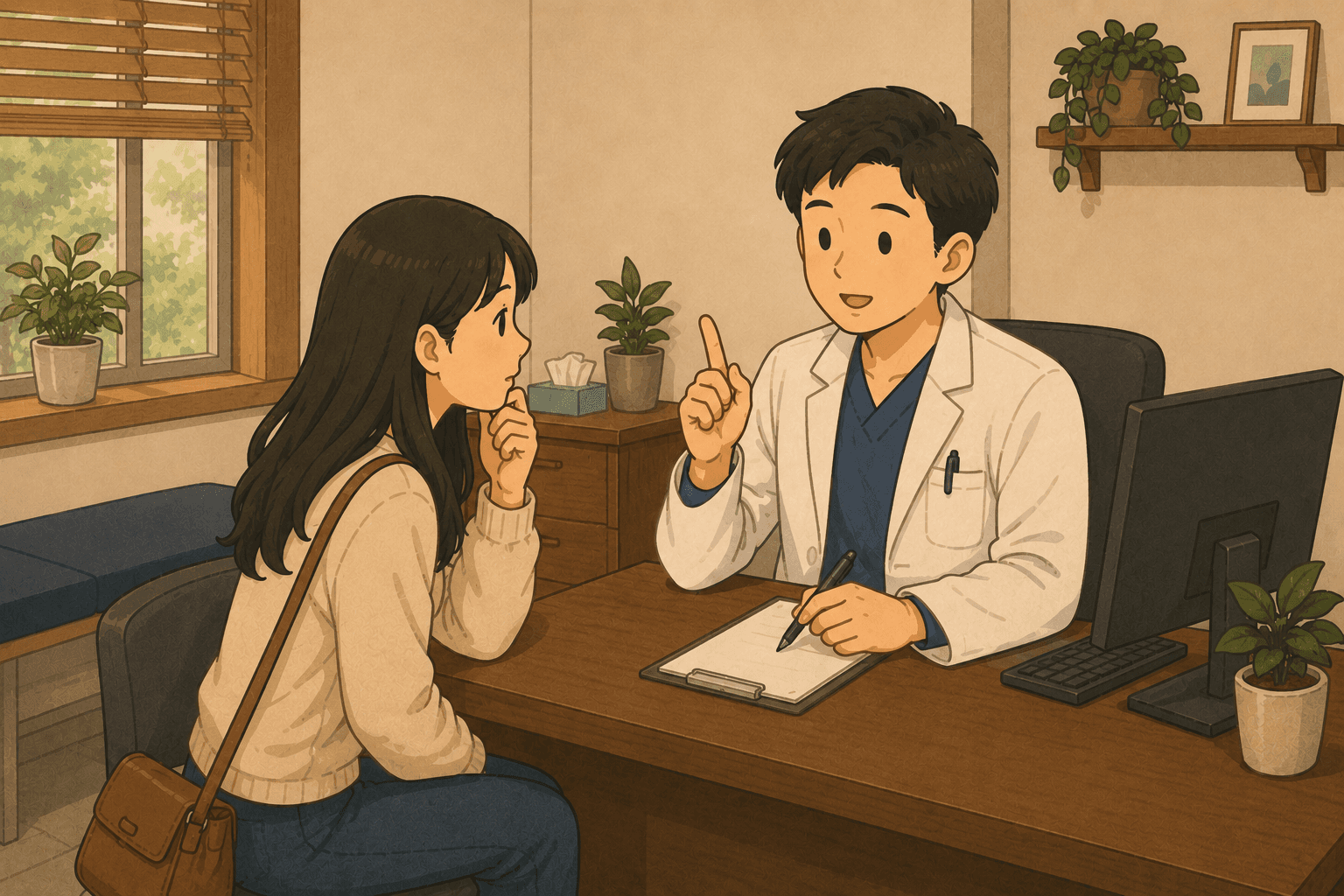
Questions about health or hospital visits can work similarly. If someone hears you went to the hospital, they may ask directly what happened—not necessarily because they want gossip, but because concern is expressed more openly and practically in Korean culture.
In many Western cultures, privacy is often considered a sign of respect:
“I won’t ask because it’s personal.”
In Korea, care can sometimes work the opposite way:
“I’m asking because I care.”
This difference in communication styles can create misunderstandings. Foreigners may feel their boundaries are being crossed, while Koreans may feel they are simply being warm, interested, or attentive.
There’s also a stronger sense of collective social life in Korea compared to many highly individualistic cultures. Topics that are considered “private matters” elsewhere may be treated more communally or conversationally here, especially among coworkers, classmates, neighbors, or older adults.
That said, Korean society is changing. Younger generations are often becoming more sensitive to privacy, mental health boundaries, and personal space, especially in international or multicultural settings.
Still, you may continue to encounter moments where someone asks a question that feels unexpectedly direct.
Usually, it’s not meant to offend.
More often than not, it’s simply a different cultural way of connecting with people.