Why Koreans Often Eat Quickly but Spend Hours at Cafés
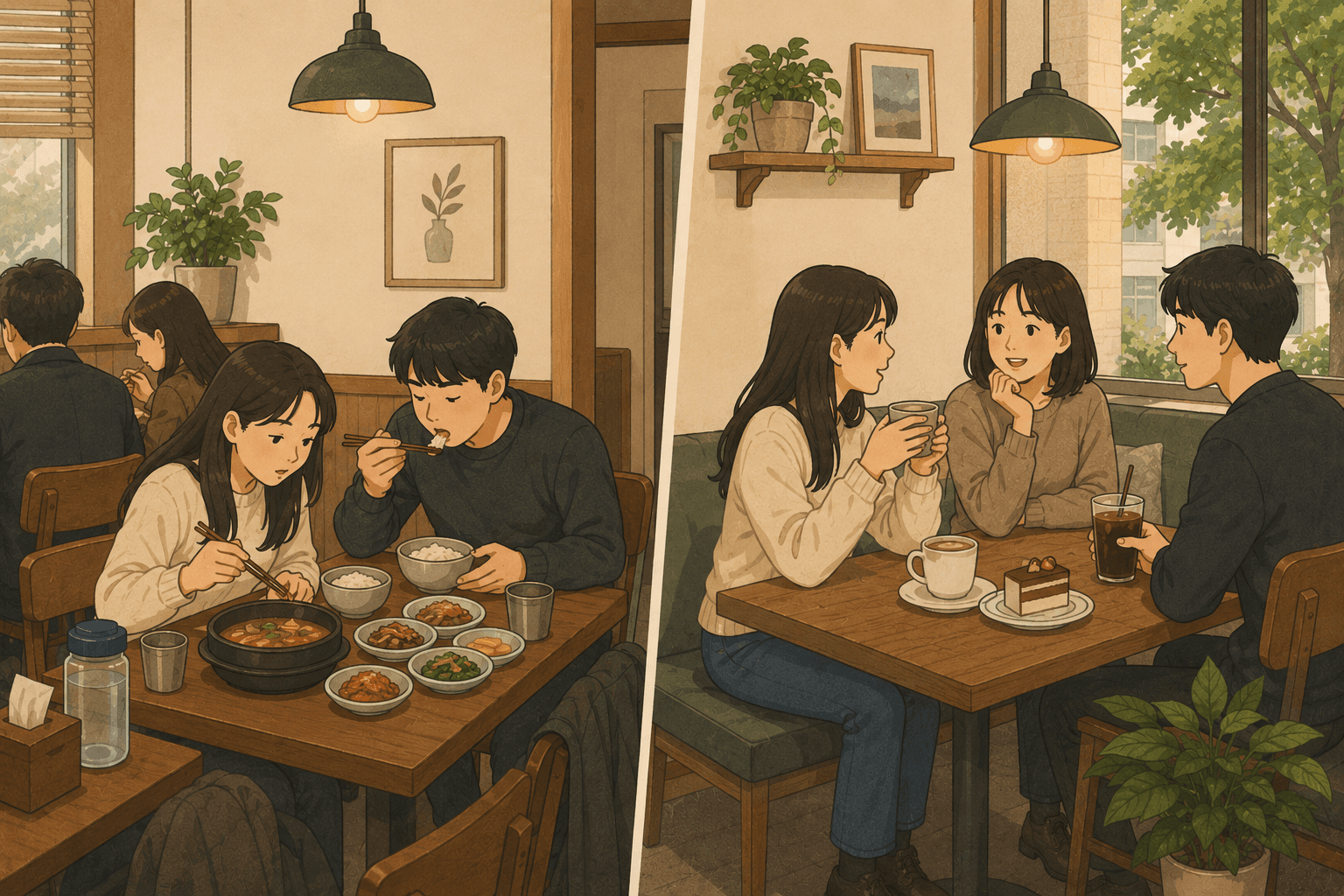
One thing many foreigners notice in Korea is the contrast between how quickly people eat and how long they stay at cafés afterward.
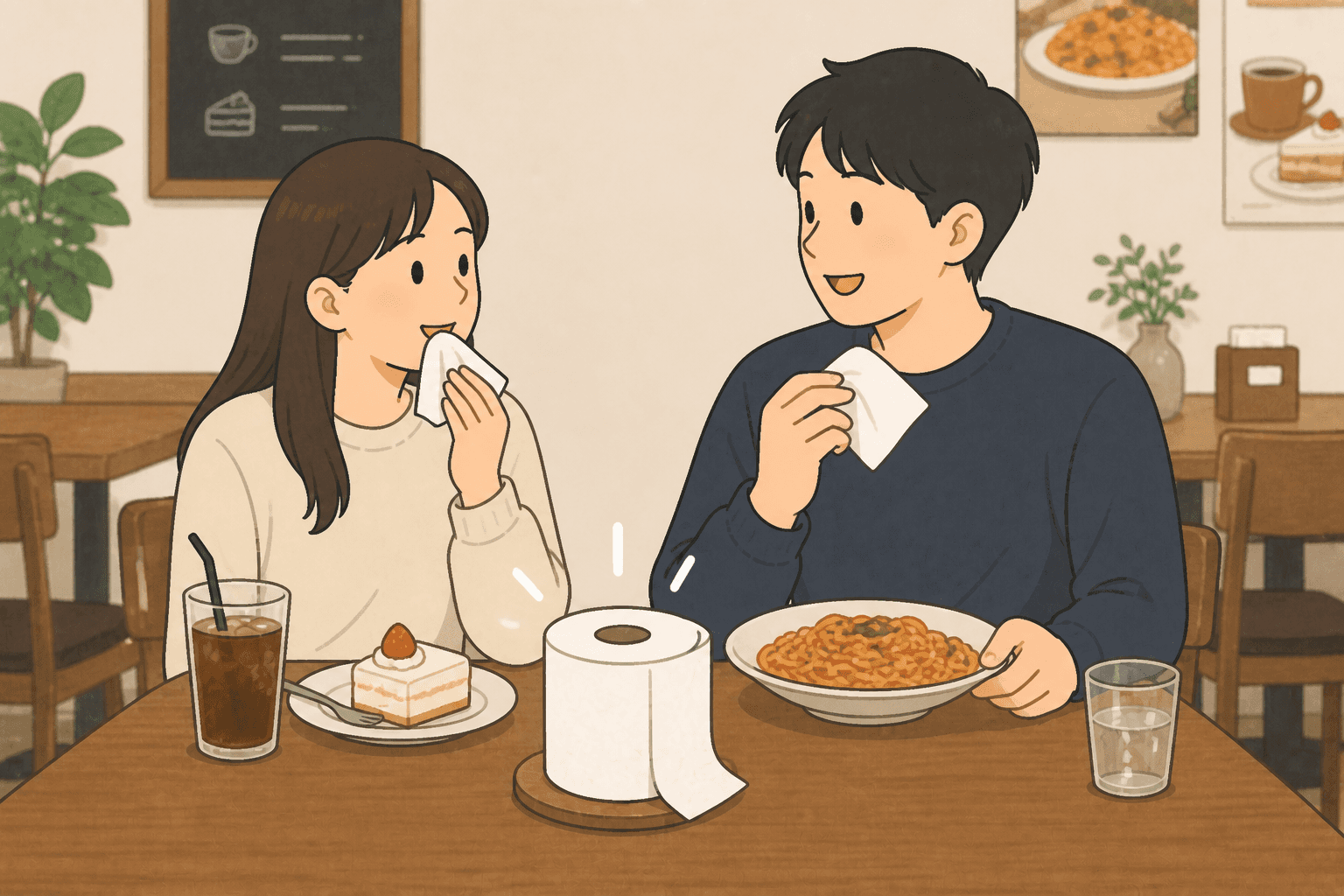
In restaurants, meals can feel surprisingly fast. People often finish eating quickly, stand up almost immediately, and leave without much lingering. But later, the same group might spend two or three hours sitting together at a café, talking slowly over a single drink.
At first, this can feel contradictory.
But in Korea, eating and socializing are often treated as two separate activities.
Meals are usually viewed practically and efficiently. Korea’s fast-paced culture—often described by the phrase 빨리빨리 (“quickly, quickly”)—influences everyday habits, including dining. Lunch breaks can be short, restaurants are busy, and people are used to eating efficiently before moving on to the next part of the day.
This is especially noticeable in workplaces, schools, and casual restaurants where meals are often shared quickly and naturally without turning into long dining experiences.
The real social time frequently begins afterward:
at the café.
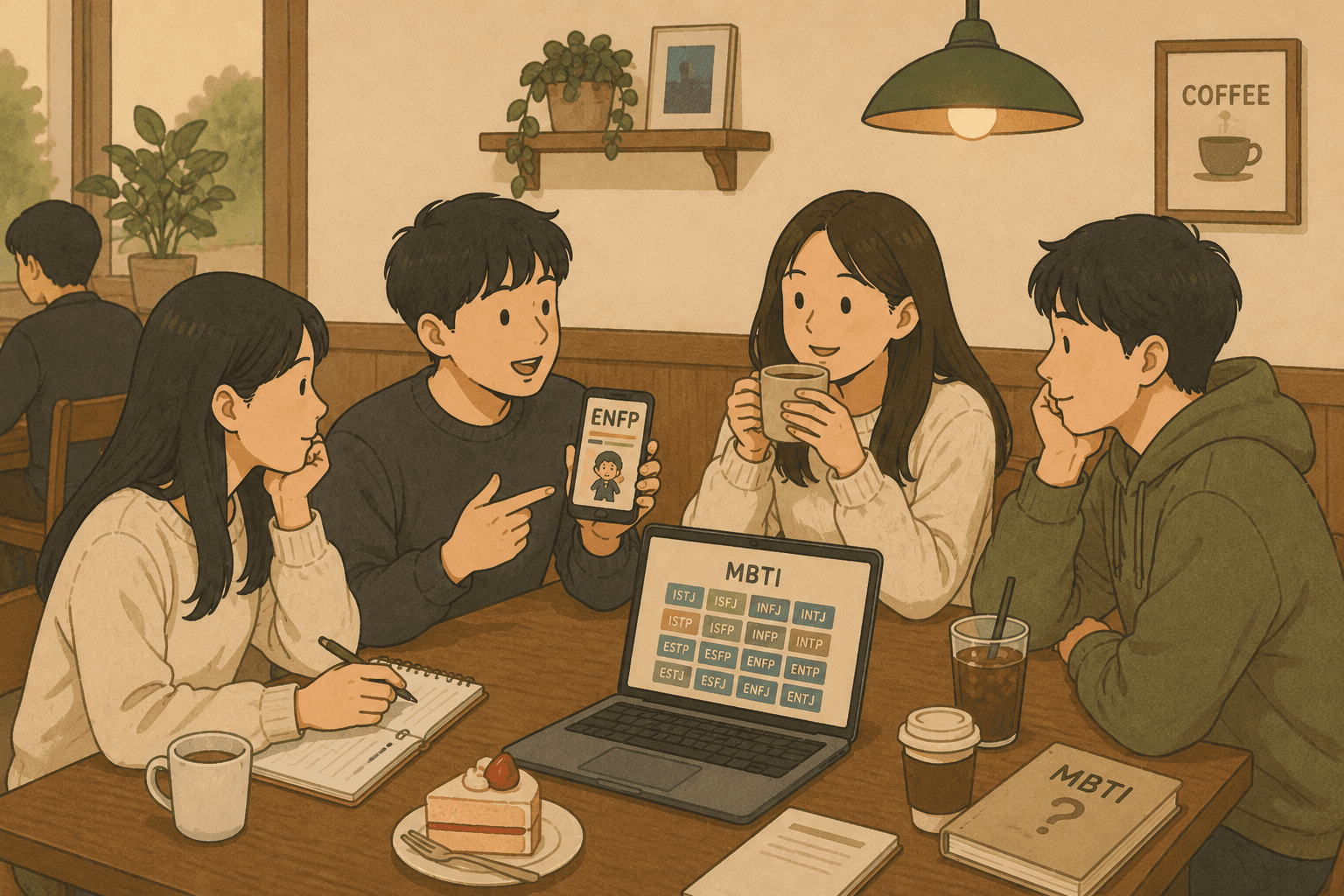
Korea has one of the strongest café cultures in the world. Cafés are not just places to drink coffee—they function as social spaces, study spaces, workspaces, date spots, and quiet places to relax.
Unlike restaurants, cafés often feel intentionally designed for staying a long time:
comfortable seating, calm music, aesthetic interiors, charging outlets, large windows, and drinks meant to be slowly enjoyed.
In many ways, cafés became the place where modern Korean social life slows down.
This creates an interesting rhythm:
eat quickly, then talk slowly.
Foreigners are sometimes surprised that people may finish an entire meal in 15–20 minutes, then spend hours discussing life over iced americanos afterward.
But once you understand the cultural separation between “eating” and “spending time together,” the pattern starts to make sense.
The restaurant feeds the body.
The café feeds the conversation.