Why Koreans Don’t Frequently Hold Doors for Strangers
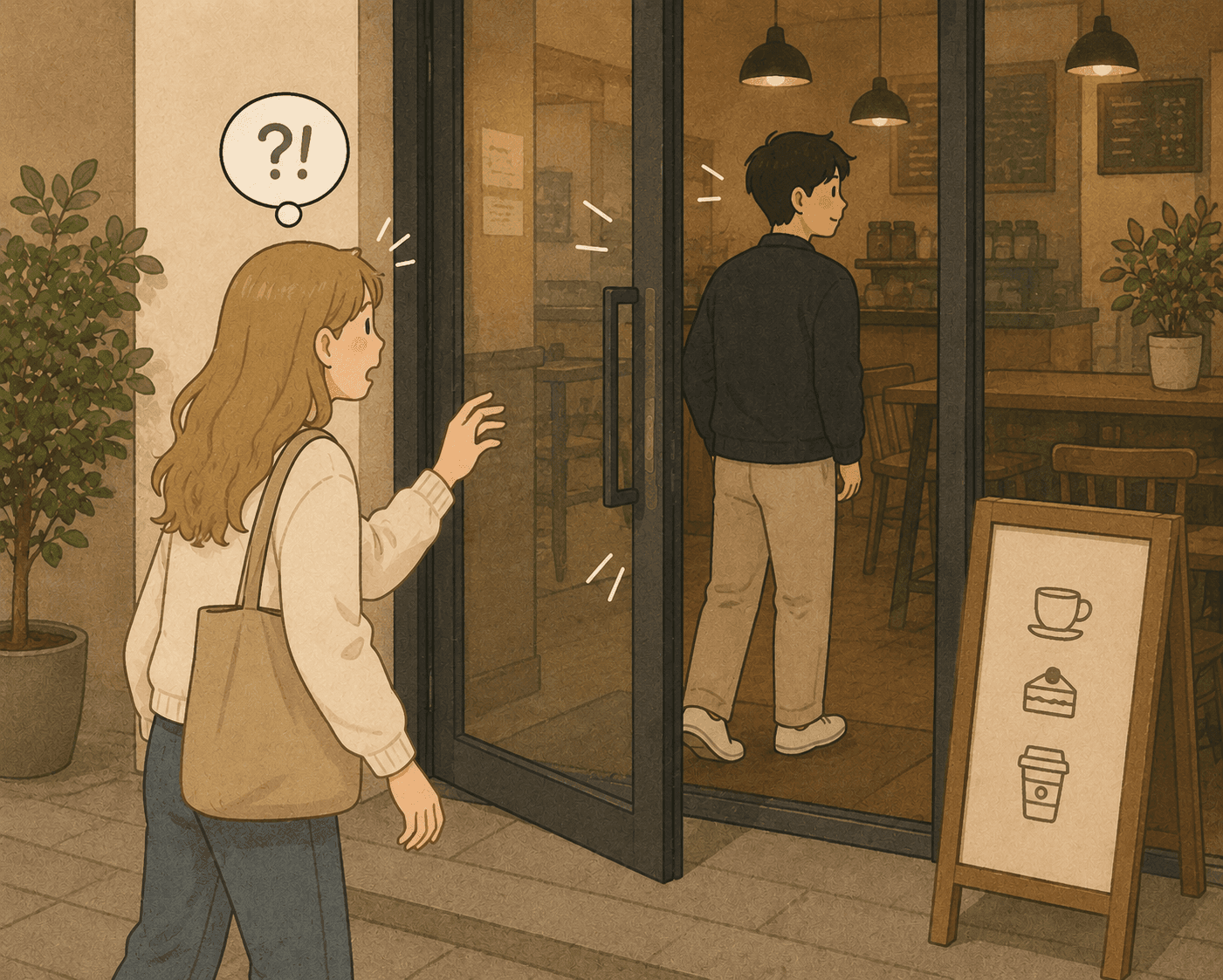
One cultural difference that surprises many foreigners in Korea is how uncommon it can be for strangers to hold doors open for the person behind them. In countries like the United States or Canada, holding a door is often seen as basic politeness. In Korea, however, the expectation around it is much weaker.
This doesn’t usually come from rudeness or hostility—it’s more about different social norms and assumptions about personal responsibility in public spaces.
In many Western cultures, politeness often involves small gestures toward strangers: smiling at people you don’t know, casual small talk, or holding doors open. Korea tends to place less emphasis on these outward gestures between strangers and more emphasis on respecting boundaries and not inconveniencing others.
As a result, people often move through spaces quickly and independently, especially in crowded cities like Seoul. If someone is behind you, the expectation is usually that they can handle the door themselves unless they are very close, carrying something heavy, elderly, or visibly need assistance.
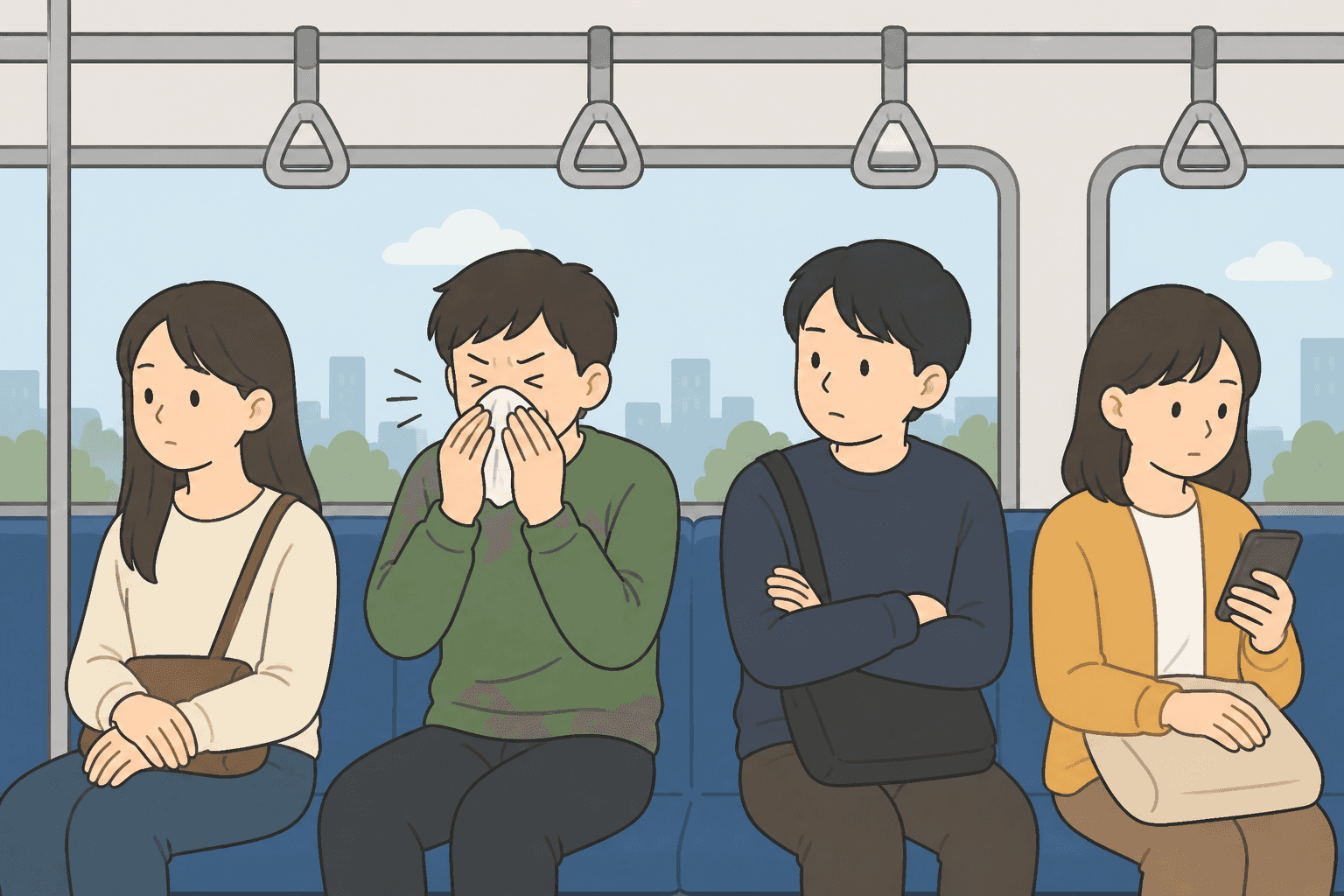
There’s also a practical side to this. Korea is a densely populated country with fast-moving public spaces—subways, office buildings, cafés, apartment entrances. People are often operating with an unspoken “keep moving” rhythm. Pausing awkwardly to hold a door for someone several steps away can sometimes feel more uncomfortable than helpful.
That said, Koreans absolutely do help others in situations where assistance feels necessary or meaningful. You’ll often see people helping elderly individuals, parents with strollers, or someone carrying heavy bags. The difference is that these actions are usually based more on visible need than automatic social ritual.
Interestingly, many Koreans who live abroad become very aware of this cultural contrast. Some even mention feeling pressure in Western countries to constantly acknowledge strangers through gestures that aren’t as common back home.
Like many aspects of Korean culture, it comes down to context. What feels polite in one culture can feel unnecessary—or simply neutral—in another.
So if someone lets a door close behind them in Korea, it’s usually not personal.
They probably just didn’t think about the door at all.