Is K-Beauty Halal? What Korean Skincare Gets Right (Without Trying To)
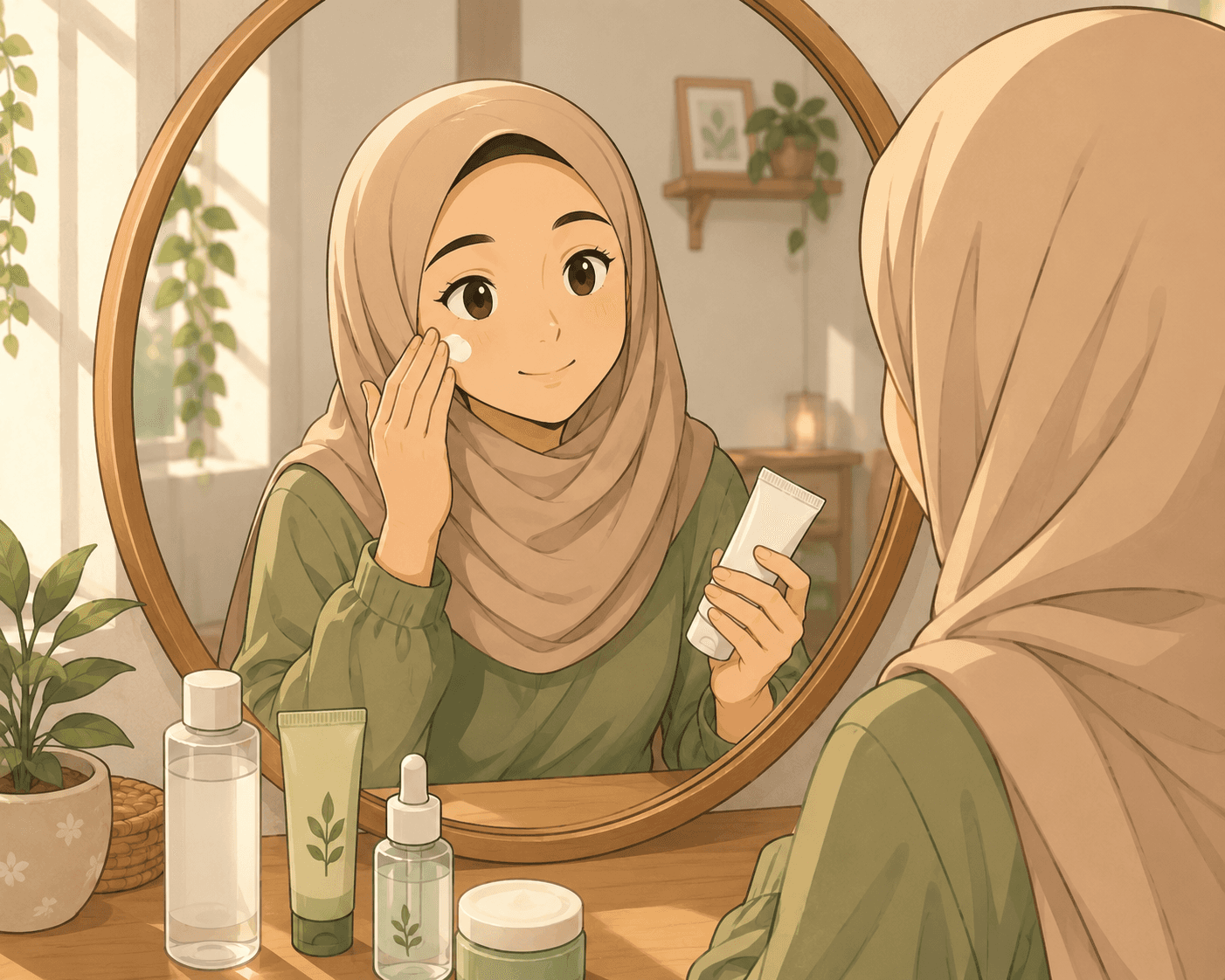
Korean beauty has quietly become one of the most halal-friendly skincare philosophies in the world — not because Korean brands set out to be, but because the values were already aligned.
Gentle formulas. Minimal irritants. Long-term skin health over short-term results. Clean, simple ingredient lists. Sound familiar?
If you've been curious about K-beauty but weren't sure where to start — or whether it fits your values — this guide is for you.
Why Korean Skincare Tends to Be Halal-Friendly
Korean skincare culture is built around prevention — protecting the skin barrier rather than stripping it. That means most mainstream K-beauty products naturally avoid:
Alcohol as a primary ingredient (which dries and damages the skin)
Heavy synthetic fragrances (a common irritant)
Animal-derived ingredients like collagen from pork or placenta extracts
This isn't a coincidence. Korean consumers are famously ingredient-conscious, and brands respond by keeping formulas clean. The result is a skincare category that, more often than not, is already aligned with halal skincare values — even when it isn't certified.
That said, not every product is automatically halal. Some K-beauty products do contain fermented alcohol, shellfish-derived ingredients, or animal byproducts. So knowing which ones to choose matters.
Here are our recommendations — available via Olive Young Global, which ships directly to Saudi Arabia, UAE, and across the MENA region.
Sunscreen First — Always
In Korean skincare culture, sunscreen isn't optional. It's the single most important step. Koreans apply it every day, indoors or out, rain or shine. This philosophy — protect before you treat — is at the heart of what makes Korean skin so resilient over time.
Best value sunscreen: Beauty of Joseon Relief Sun: Rice + Probiotics
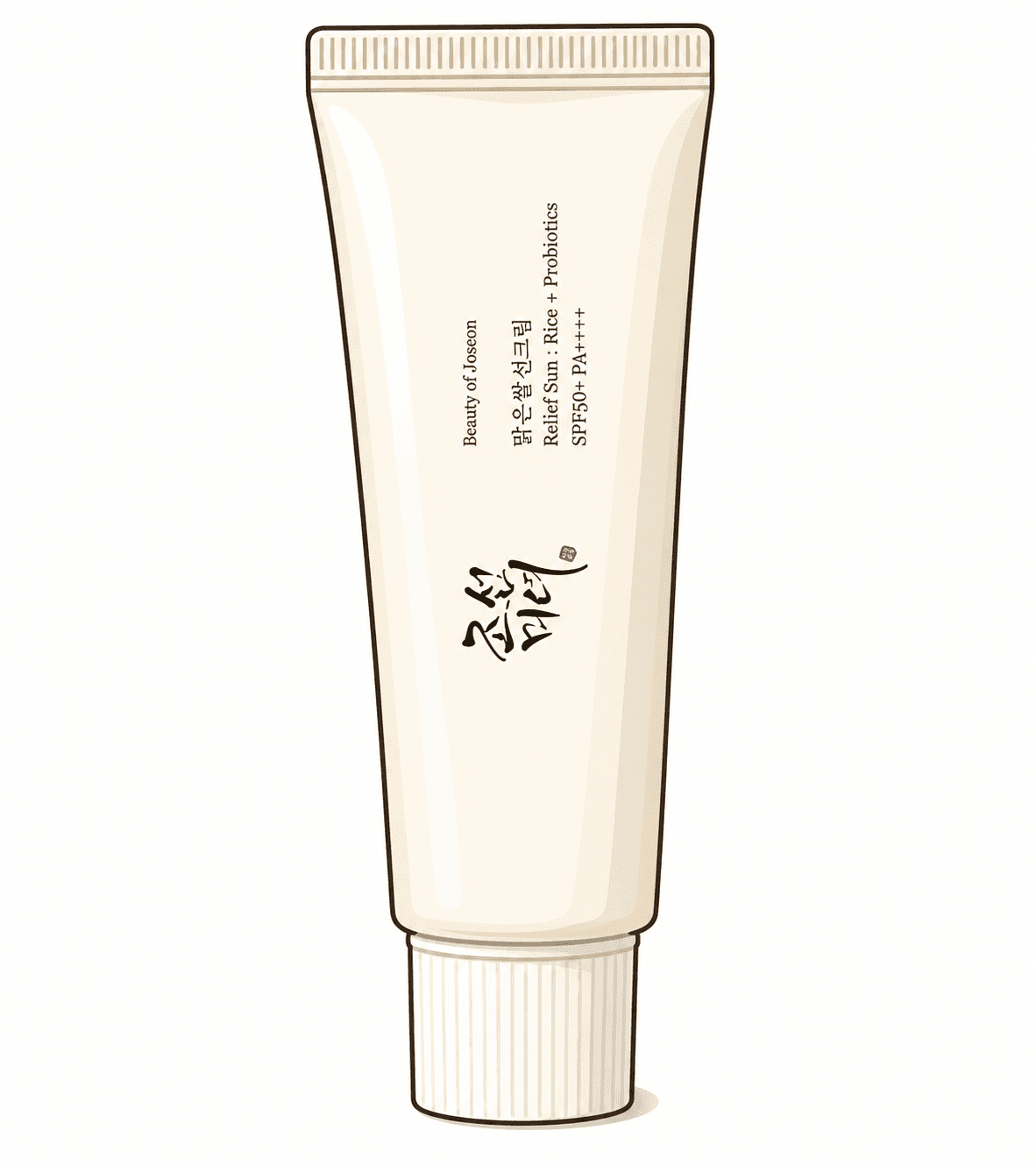
This is one of the most beloved sunscreens in Korea right now, and for good reason. The formula is gentle, lightweight, and finishes without the white cast that makes many SPFs unwearable on deeper skin tones. The rice extract and probiotic complex calm and nourish while protecting.
The triple set is the smart buy — stocking up on SPF is never a bad idea.
Key ingredients: Rice bran water, niacinamide, probiotic complex. No alcohol. No heavy fragrance.
Best for beginners: COSRX Aloe Soothing Sun Cream SPF50
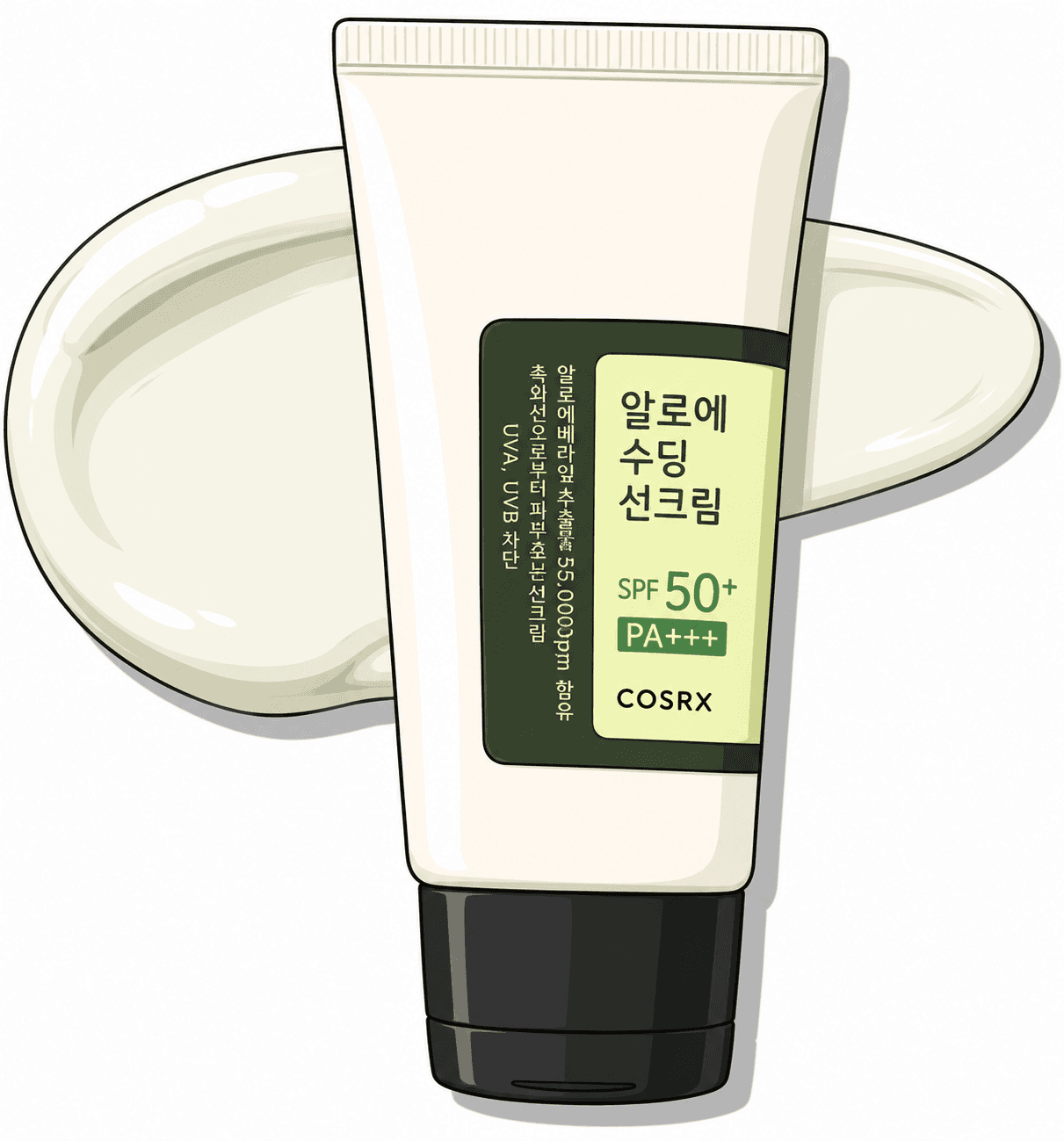
If you're new to Korean sunscreen, start here. COSRX is one of the most trusted names in K-beauty for a reason — clean formulas, no nonsense, consistent quality. This one absorbs quickly, doesn't pill under makeup, and works on sensitive skin.
Key ingredients: Aloe vera leaf extract, hyaluronic acid. Free from parabens and artificial fragrance.
Cleansing — The Korean Way
Koreans believe that how you cleanse is just as important as what you put on after. The goal isn't squeaky-clean — it's clean without stripping the skin's natural moisture barrier.
Best gentle cleaner: Round Lab 1025 Dokdo Cleanser
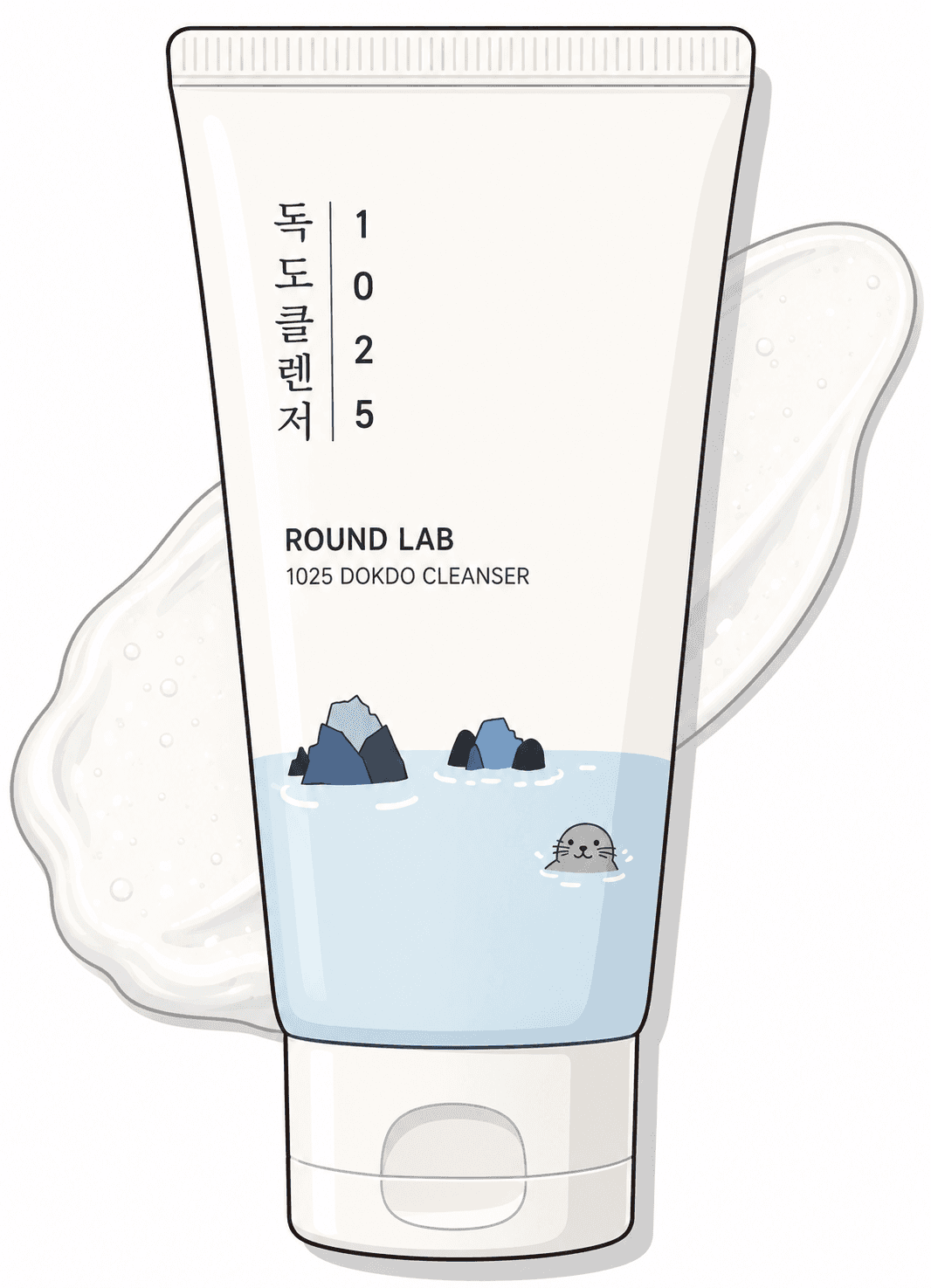
Made with mineral-rich deep sea water from the Dokdo island region, this cleanser has become a cult staple for people with sensitive or reactive skin. It removes impurities without leaving skin feeling tight or dry — which is especially important in dry climates like Riyadh or Dubai.
Key ingredients: Deep sea water 1025m, panthenol. Fragrance-free. No sulfates.
Moisturising — Build the Barrier
The Korean approach to moisturising isn't about layering on heavy creams. It's about strengthening the skin barrier consistently over time so your skin holds its own moisture better.
Best for sensitive skin: ETUDE Soonjung 2x Barrier Intensive Cream
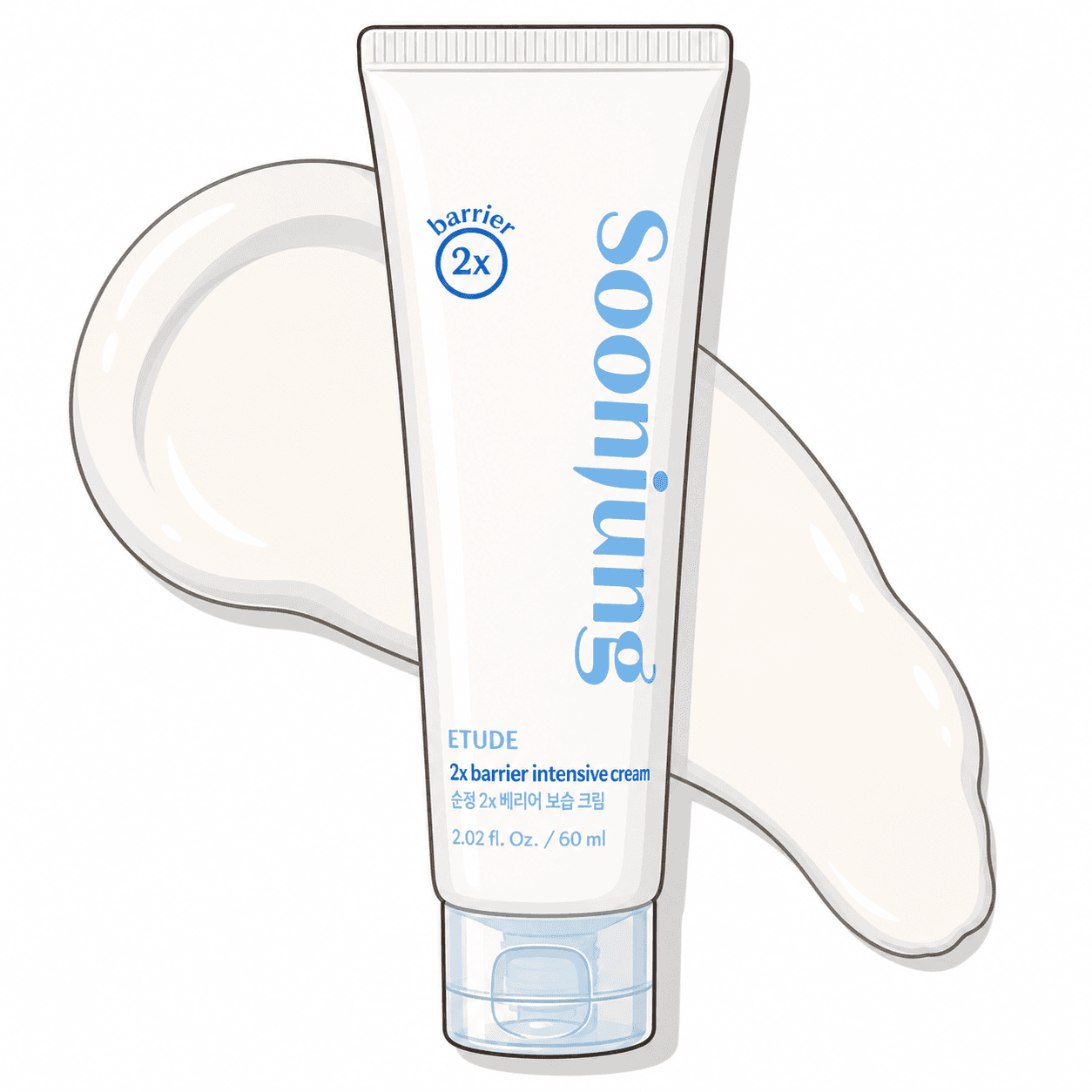
Soonjung is ETUDE's dedicated sensitive skin line, and this cream is the hero product. It was developed specifically for compromised or reactive skin — the kind that reacts to everything. The formula is centella-based, deeply calming, and completely free from fragrance and artificial color.
It's also one of the few K-beauty moisturisers that works well in humid climates — not too heavy, not too light.
Key ingredients: Panthenol, madecassoside, beta-glucan. Fragrance-free. Hypoallergenic tested.
Top Seller: Anua Heartleaf 77% Soothing Toner
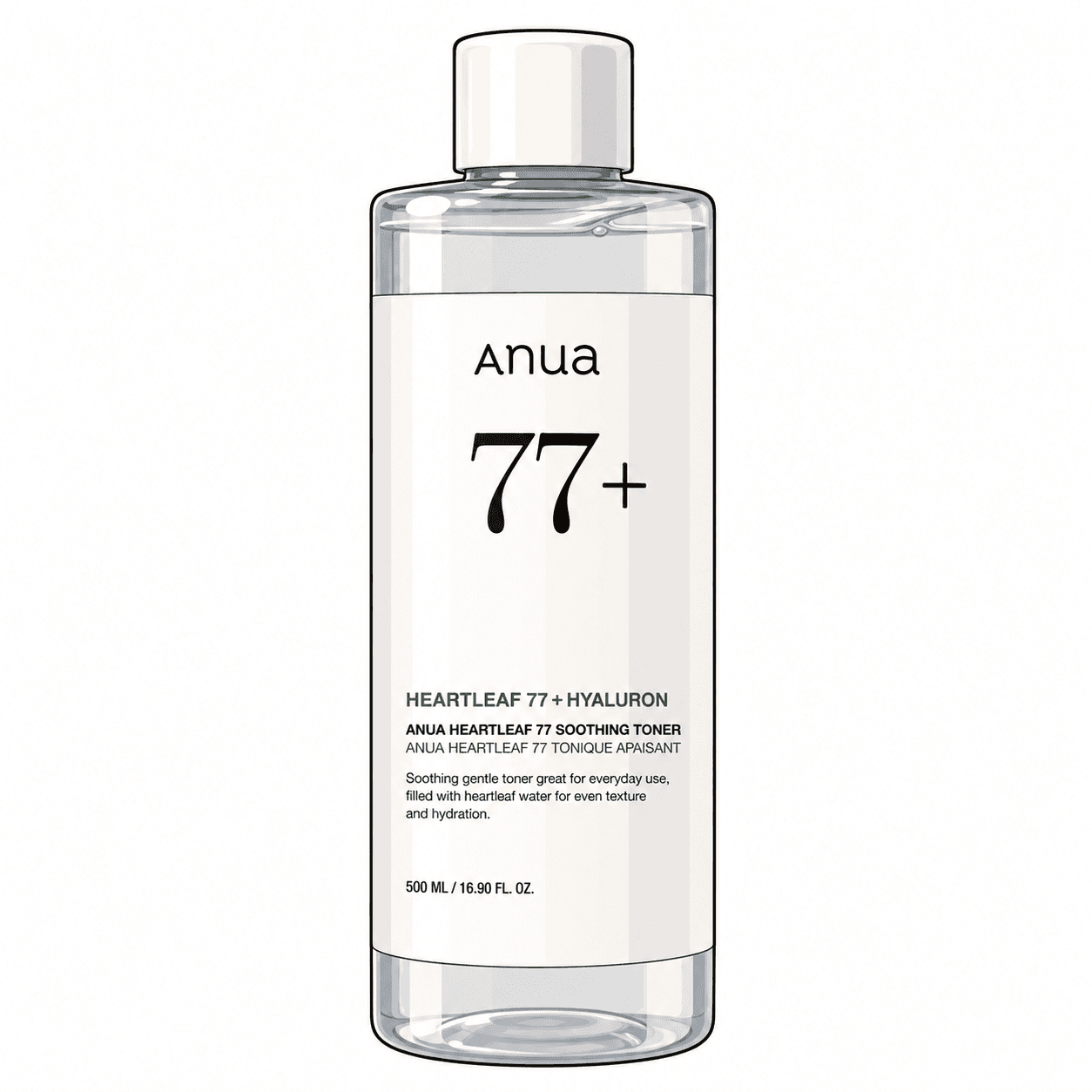
Toners in Korean skincare aren't like the astringents you might know from Western beauty. They're the first hydration step after cleansing — lightweight, calming, and designed to prep the skin for everything that follows.
Anua's heartleaf toner has taken over Korean skincare for a reason: it calms redness and irritation almost immediately. It's become the go-to for anyone dealing with acne-prone or reactive skin.
Key ingredients: Heartleaf extract 77%, niacinamide. Alcohol-free. Fragrance-free.
A Note on Halal Certification
Most of the products above are not formally halal-certified — because halal certification for cosmetics is still relatively rare in Korea. What they share is ingredient transparency, alcohol-free or low-alcohol formulas, and no known animal-derived ingredients from prohibited sources.
If halal certification is essential for you, look for brands that have pursued it specifically — like some lines from Olive Young's own brand, or internationally certified Korean brands. Olive Young Global's customer service team can also help verify specific product ingredients on request.
The broader truth is this: Korean skincare culture was built on the same principle that underlies halal beauty — that what you put on your skin should be clean, intentional, and respectful of the body. That's not a marketing line. It's just nunchi.
All products are available via Olive Young Global with direct shipping to Saudi Arabia, UAE, and across the MENA region.