Why Koreans Often Don’t Ask Doctors Many Questions
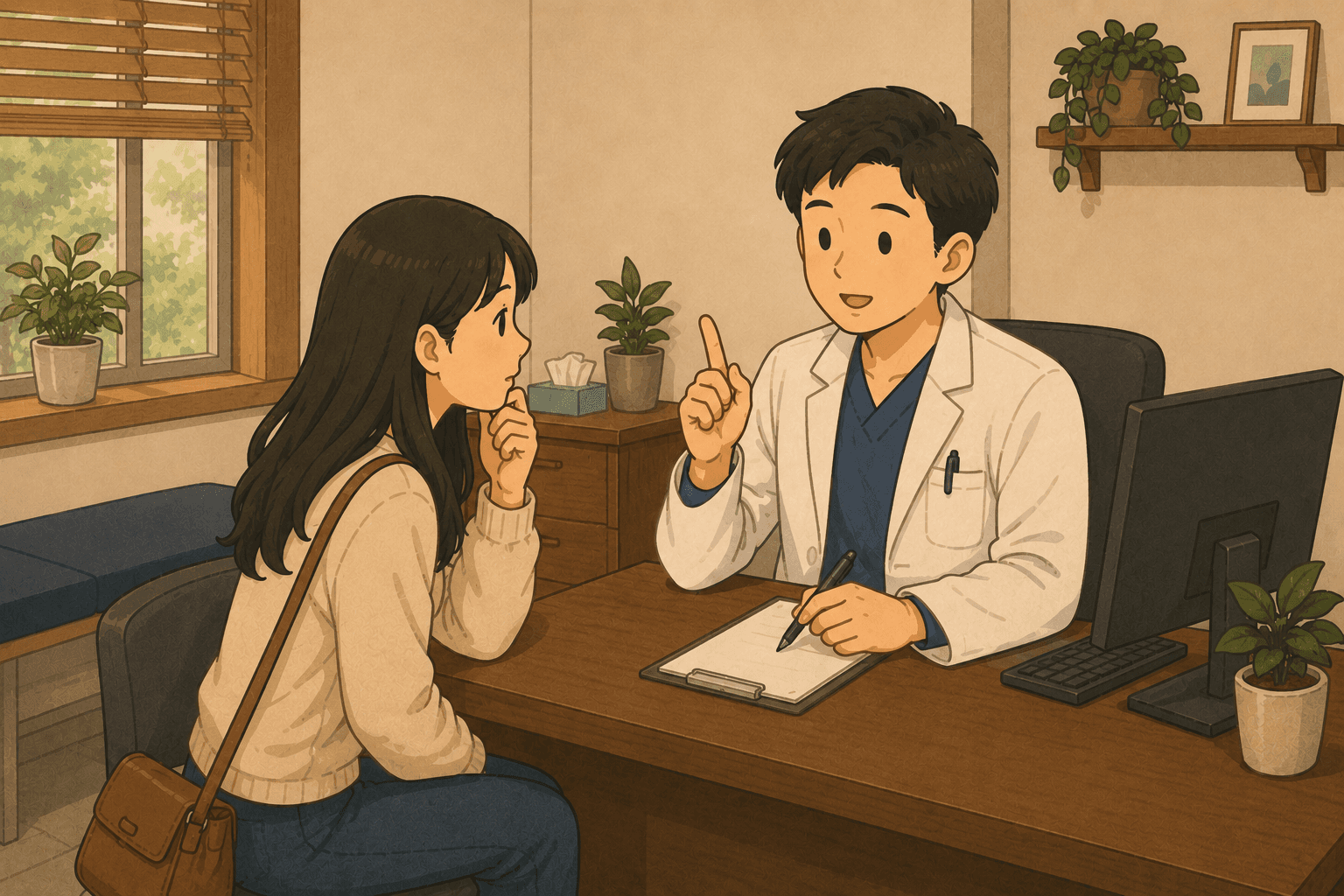
One thing that surprises many foreigners in Korea is how quickly medical appointments can feel—and how few questions patients sometimes ask doctors.
In many Western countries, doctor visits often involve long discussions, detailed explanations, and active back-and-forth conversation between patient and physician. Patients may come prepared with lists of questions, request second opinions, or openly challenge recommendations.
In Korea, the dynamic can feel very different.
Appointments are often extremely fast, and many Korean patients tend to quietly listen, accept the doctor’s advice, and move on without asking many follow-up questions.
For foreigners, this can sometimes feel rushed or impersonal at first.
But much of this comes from deeper cultural attitudes toward expertise, hierarchy, and efficiency.
Traditionally, Korean society places strong respect on professional authority figures such as teachers, professors, and doctors. Physicians are often viewed as highly trained experts whose judgment should be trusted rather than questioned extensively.
As a result, many people may feel:
“The doctor already knows best.”
“I shouldn’t waste their time.”
“If something was important, they would tell me.”
There is also a strong efficiency culture within Korean healthcare itself.
Korea’s medical system is fast, accessible, and heavily used. Clinics often see very large numbers of patients every day, which naturally creates shorter appointment times and a quicker communication style.
Because of this, appointments can become very direct:
symptoms → diagnosis → prescription → next patient.
Foreigners are sometimes surprised when a visit lasts only a few minutes.
At the same time, younger generations in Korea are slowly becoming more comfortable asking questions, researching health information online, and seeking more detailed explanations—especially in larger hospitals or international clinics.
Still, compared to some Western cultures, Korean patients may continue to appear more passive during medical appointments.
Interestingly, this doesn’t necessarily mean people are unconcerned about their health.
Rather, it often reflects:
trust in expertise
respect for hierarchy
social pressure not to inconvenience others
and a healthcare system designed around speed and volume
For foreigners living in Korea, understanding this cultural difference can help make doctor visits feel less confusing.
If you have questions, it’s completely okay to ask.
But you may notice you’re asking far more than the average local patient sitting next to you.